AI Automation Consultant Pricing: Every Model Explained, With Real 2026 Numbers and a Decision Framework
A complete breakdown of AI automation consultant pricing models in 2026: hourly, project-based, retainer, and DIY, with real numbers, hidden costs, and a 5-question decision framework.

Table of Contents
Consultant quotes in this market vary so wildly that most owners cannot tell a fair one from a bad one. The bands: hourly runs $150 for boutique technical work up to $600 for Big 4 partners, with most small and mid sized work landing at $200 to $350. Project pricing spans $10,000 to $50,000 for a defined pilot, $50,000 to $250,000 for a medium integration, and $250,000 and up for enterprise. Retainers start at $1,500 to $5,000 a month for light advisory and reach $12,500 to $30,000 for a full partnership.
The line item that wrecks budgets is not on the proposal. Integration, training and change management add 30% to 50% to any quoted price when they are not scoped upfront. Judge the consultant on whether they scope those before quoting, because a good one pays for themselves in two to three months and a bad one costs the fee plus three to six months of lost momentum. No code tools genuinely cover simple workflows, and reliably fail on multi system integrations, custom logic, and anything needing real data transformation.
Every week I talk to business owners who got a proposal from an AI automation consultant and had no idea if it was fair. One person got quoted $8,000 for a lead routing workflow. Another paid $45,000 for a chatbot that took three months to deliver. Both asked the same question afterward: was that the right price?
The honest answer is: it depends on which pricing model you used, who you hired, and whether the scope matched. AI automation consultant pricing varies from $22/hour for offshore execution teams to $600/hour for Big 4 partners. Projects run from $10,000 to well over $1,000,000. And monthly retainers start at $1,500 and climb to $30,000 or more.
None of those numbers are wrong. They are just different products. This post breaks down every pricing model, what you actually get at each price point, and a decision framework I use with clients to pick the right structure before signing anything.
Quick Verdict
Pick hourly if your scope is undefined and you need to explore first. Expect $150-$350/hr for combined strategy and execution.
Pick project-based if you have a specific outcome in mind and want a fixed price. Budget $15,000-$75,000 for a well-scoped first deployment.
Pick a retainer if you have an ongoing automation backlog and want a dedicated partner. Starts at $3,000/mo for serious work.
Go DIY if you have clear, simple workflows and a technical person on staff. No-code platforms run $50-$200/month and can handle 60-70% of small business automation needs.
Still unsure? Take the free AI Readiness Assessment: it takes 8 minutes and tells you exactly where you are on the automation curve.
What AI Automation Consulting Actually Covers
Before pricing makes sense, you need to know what you are buying. "AI automation consulting" means different things depending on who you ask.
At the strategy end, you are paying for someone to map your current workflows, identify what can be automated, estimate ROI, and produce a prioritized roadmap. This is pure advisory work. No code gets written. You get a document, a presentation, and hopefully a clear picture of where to start.
At the implementation end, you are paying for someone to build the actual automations: connecting your CRM, your inbox, your calendar, your support tickets, your invoicing system. This is hands-on engineering. The consultant writes code, configures platforms like n8n or Make.com or custom APIs, and deploys working systems into your production environment.
Most of the highest-ROI engagements I have run combine both. You spend the first week mapping the landscape, you spend the next four to eight weeks building, and you spend the last two weeks training your team and documenting everything. That full-cycle engagement is what I price at AgenticMode packages, and it is the model most boutique consultants follow.
The reason pricing varies so wildly is that these are fundamentally different products. A $300/hour consultant who writes production-grade code with proper error handling, monitoring, and documentation is cheaper per outcome than a $50/hour consultant who builds something brittle that breaks every time an API changes.
Hourly Rate Model: What You Get at Each Price Point
Hourly billing is the default for engagements where the scope is genuinely uncertain. You pay for time. The consultant tracks hours. You get billed. Simple in theory, expensive if you do not set clear deliverable checkpoints.
Based on current market data across 200+ engagements in 2026, the rate tiers look like this:
$22-$50/hr: Offshore AI-first agencies. You are working with teams based in Eastern Europe, Southeast Asia, or South Asia. Senior engineers at this tier are genuinely skilled but the tradeoff is timezone coordination, communication overhead, and the risk of getting junior resources after the senior engineer closes the sale. Best for execution-heavy work on clearly defined specifications.
$150-$200/hr: Senior AI engineer or technical lead at a boutique US or UK firm. This tier is execution-heavy and strategy-light. They evaluate your systems, recommend architecture, write code, and review pull requests. They are not advising your board: they are building your integration. This is where most of the real work happens for SMBs.
$200-$350/hr: Combined strategy and implementation from a principal engineer or senior consultant. This is the sweet spot for most mid-market businesses. At this rate, the consultant designs the AI architecture, makes the build-vs-buy decisions, oversees implementation, and can get into the codebase when needed. They are not just handing off a document; they are accountable for the outcome.
$350-$500/hr: Pure strategy territory. You are working with partners at major consulting firms, recognized AI researchers, or former C-level executives at AI companies. If they are writing code at this rate, something has gone wrong in the engagement design.
$300-$600/hr: Big 4 and enterprise consulting firms (McKinsey, Deloitte, Accenture, PwC). Here is what most guides skip: the partner bills at $600/hr, but a junior analyst actually does the work at $150/hr internally. The partner shows up for key meetings and sign-offs. For board-driven mandates and regulated industries, this structure is worth the premium. For a 5-person manufacturing business that needs to automate their quote approval process, it is not.
When hourly billing works for you: Use it for discovery phases, technical assessments, or short advisory sprints where the scope is genuinely undefined. Set a cap of 10-20 hours and use that time to scope the actual project before committing to a larger engagement.
When hourly billing burns you: When you let it run without milestone checkpoints. I have seen businesses spend $30,000 on hourly consulting and end up with a 40-page strategy document and nothing deployed. Agree on deliverables per billing period or switch to project-based pricing.
Project-Based Pricing: The Full Cost Breakdown
Project-based pricing is the model I recommend for most first engagements. You get a fixed price for a defined outcome. Scope creep is the enemy here, so the specificity of the statement of work matters more than the headline number.
Here is how projects typically break down by size:
Small projects ($10,000-$50,000): A defined pilot or MVP. This covers a well-scoped chatbot, a lead routing system, an automated reporting workflow, or a document processing pipeline using pre-trained models. Delivery is 4-12 weeks. You walk away with something working in production, documentation, and 30 days of support. Most of my AgenticMode packages start in this range.
Medium projects ($50,000-$250,000): A more involved engagement covering multiple integrations, a custom machine learning model with your data, or a full customer-facing AI system with monitoring and fallback logic. Typically 3-6 months. Requires a small team of engineers and a dedicated project manager.
Large and enterprise projects ($250,000-$1,000,000+): Full-scale AI system implementation across an organization. Complex legacy system integrations, compliance requirements, custom model fine-tuning, and change management across multiple departments. These run 6 months to 2 years and involve cross-functional coordination.
The Hidden Costs Nobody Quotes Upfront
The project fee is not the total cost. Based on real client data, hidden costs add 30-50% to quoted project prices when not scoped early. The five biggest offenders:
- System integration work: Connecting to your existing tools (CRM, ERP, HRIS) often requires custom API work that is not covered in a standard quote. If your CRM is a decade-old Salesforce org with 200 custom objects, that is a separate line item.
- Data cleaning and prep: AI systems are only as good as the data fed to them. If your customer data lives in three systems with inconsistent formatting, the consultant may quote the build but not the data migration.
- Employee training: Deploying a workflow automation nobody uses is a complete waste. Budget 10-20% of the project cost for structured training and adoption work.
- Change management: Some automations replace tasks that humans currently perform. Managing the transition matters for adoption and for team morale. This is often underquoted.
- Post-launch support: APIs change. Models drift. Webhooks fail. Get a clear answer on what is covered in the quoted price versus what goes on a support retainer.
The good consultants tell you about all five before you sign. The ones who skip this conversation are optimizing for a smaller upfront number, not for your actual project success.
Monthly Retainer: Ongoing Partnership vs Advisory
Retainers make sense once you have proven that AI automation delivers for your business and you want to keep building. They are also the right model for businesses that do not have a single big project in mind but have a continuous stream of smaller automation opportunities.
The tiers from current market pricing:
Basic advisory/maintenance ($1,500-$5,000/month): 5-10 hours/month. Model performance monitoring, strategic check-ins, light troubleshooting of existing systems. This is for businesses that have already deployed automation and want an expert on call, not for active building.
Standard support and development ($5,000-$12,500/month): 10-25 hours/month. Ongoing development work, data pipeline optimization, dedicated support for existing AI systems. This is where active building happens on a monthly cadence. My Growth retainer is structured at this tier.
Comprehensive partnership ($12,500-$30,000+/month): 25+ hours/month with a dedicated team. Full-stack AI support including data scientists, engineers, and strategic advisors. For companies in the middle of a serious digital transformation.
Fractional AI partner ($5,000-$15,000/month): 10-20 hours/week of technical leadership. Strategy, architecture decisions, team mentoring, and board reporting. Annual cost of $60,000-$180,000 versus a full-time AI director at $250,000-$450,000+ with benefits and equity. This structure works well for companies with 10-50 employees that need strategic direction but cannot justify a full-time hire.
DIY No-Code Tools: The Real Cost of Doing It Yourself
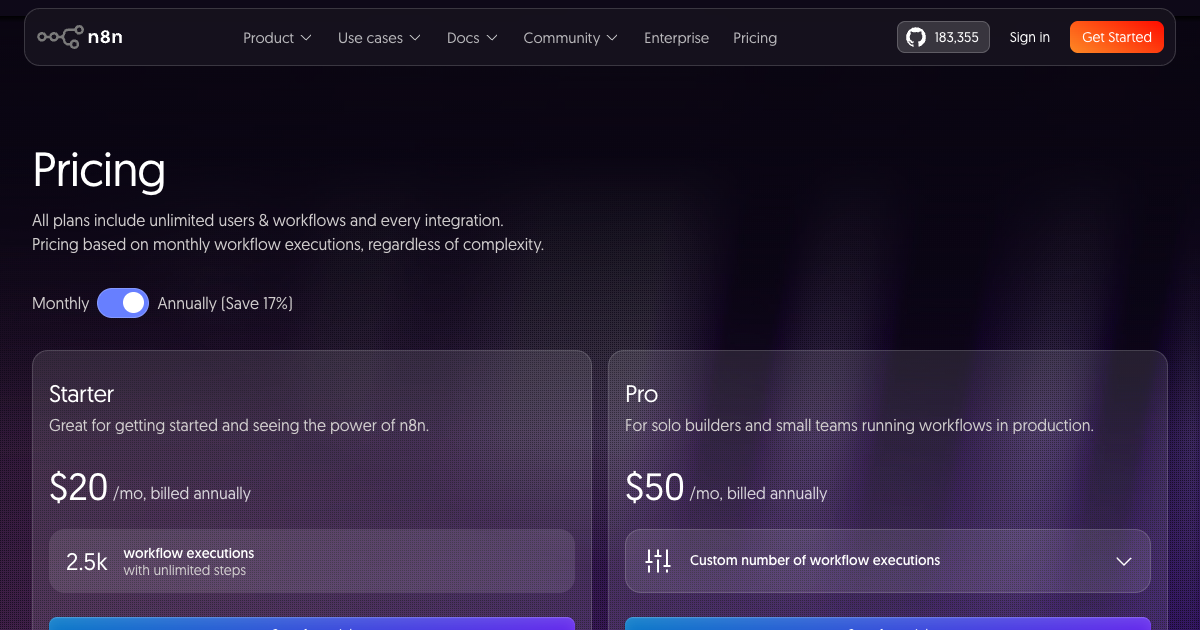
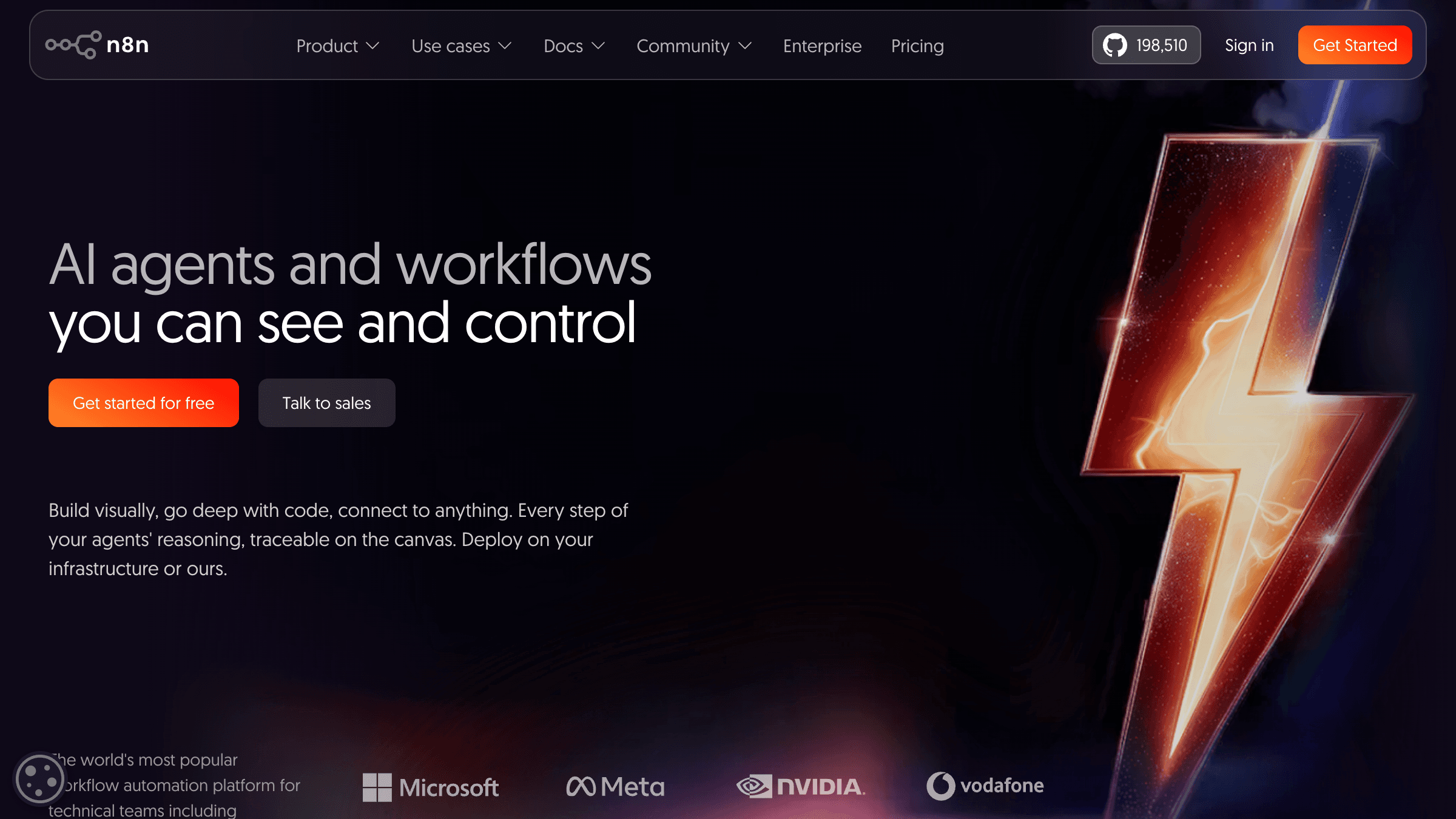
No-code platforms like n8n, Make.com, and Zapier have made basic automation genuinely accessible. For the right use cases, they are an excellent choice. For the wrong ones, they become a significant time sink.
The actual cost of DIY automation:
Software costs: $50-$200/month for no-code platforms depending on usage tier. n8n self-hosted is free for unlimited runs (you pay hosting, roughly $20-$50/month on a VPS). Make.com Business plan starts at $59/month. Zapier Professional starts at $69/month.
Your time: This is what most people underestimate. Building a non-trivial automation workflow for the first time, one that connects three systems, handles errors, and has conditional logic, takes 20-40 hours if you are learning the platform. That time has a cost. If your hourly value as a business owner is $150/hr, a 30-hour DIY project costs you $4,500 in opportunity cost before the software fee.
Iteration and debugging: Workflows break. APIs update their schemas. Authentication tokens expire. Expect 2-4 hours/month of maintenance on any moderately complex no-code automation. This cost is perpetual.
Where DIY works: Single-step or two-step automations with well-supported tools (Slack, Gmail, Google Sheets, HubSpot). Simple notification workflows, form-to-spreadsheet pipelines, basic lead routing without custom logic. If you can describe the full workflow in two sentences, DIY is probably fine.
Where DIY fails: Multi-step workflows with conditional branching, anything requiring custom code or data transformation, integrations with legacy systems or proprietary APIs, workflows that need error handling and retry logic, and anything where a broken automation directly impacts revenue or customer experience.
Side-by-Side Comparison
| Model | Cost Range | Best For | Biggest Risk | Time to Value |
|---|---|---|---|---|
| Hourly | $150-$600/hr | Undefined scope, discovery, audits | No deliverable accountability: spending without shipping | Depends on scope clarity |
| Project-based | $10K-$250K+ | Specific outcome, first deployment, MVPs | Scope creep, hidden costs, unclear handoff | 4-12 weeks (small project) |
| Retainer | $1,500-$30K/mo | Ongoing build backlog, fractional leadership | Retainer becomes "on-call" with no output | First deliverable in 2-3 weeks |
| DIY No-Code | $50-$200/mo + your time | Simple, well-defined workflows with standard tools | Time cost, maintenance burden, fails on complexity | 1-3 days if you know the platform |
| In-House Team | $200K+/year | Large, sustained automation roadmap with in-house IP | Recruiting time, ramp-up, retention | 3-6 months before anything ships |
The Decision Framework: 5 Questions
Use these to pick your model before requesting proposals:
1. Can you describe the complete workflow in under two sentences?
Yes → DIY or project-based. No → Start hourly for discovery, then move to project.
2. Does the outcome directly affect revenue or a customer-facing process?
Yes → Pay for a proper consultant. The cost of failure is too high for DIY. No → DIY or low-cost offshore execution is fine.
3. Do you have a continuous stream of automation work, not just one project?
Yes → Retainer is better economics than repeated project engagements. No → Project-based for now, reevaluate in 6 months.
4. Do you need results in the next 60 days?
Yes → Boutique project-based engagement or a retainer that starts immediately. No → You have time to evaluate properly. Do not rush into an hourly arrangement without deliverable milestones.
5. Is your internal team capable of maintaining what gets built?
Yes → Project-based with documentation and handoff. No → Include an ongoing retainer in the budget, or build internal capacity before engaging.
What Most Pricing Guides Get Wrong
Most comparisons focus on the hourly rate and miss the thing that actually determines whether you overpaid: cost per outcome, not cost per hour.
I have seen a $200/hour consultant who scoped a 6-month project, spent 3 months on discovery, and delivered something that broke the following quarter. I have seen a $350/hour consultant who scoped a 4-week pilot, shipped something working in week 3, and documented everything so thoroughly that the client's internal team could extend it without coming back.
The second consultant was cheaper. By a lot.
A few things that actually predict value over rate:
- Do they tell you what NOT to automate? A consultant who talks you out of a $30,000 feature that will not deliver ROI is worth more than one who charges $30,000 to build it. If every idea you propose gets enthusiastic agreement and a price tag, they are optimizing for contract size.
- Do they recommend a specific platform before understanding your problem? If the first call ends with "you should use LangChain and GPT-4" before they have seen your data or your workflow, they are selling the solution they already know. That is the wrong starting point.
- Who actually does the work? At Big 4 firms, the partner sells, juniors deliver. The person in the pitch deck is often not the person in the Slack channel six weeks in. Ask directly.
- What does post-delivery support look like? Automations need maintenance. APIs change. Ask what is included in the project price versus what starts a separate billing clock.
The most common mistake I see is businesses that come in wanting complex AI agents and leave with Zapier because the consultant was honest enough to say "you do not need agents for this yet." That honesty is the thing worth paying for.
A Real Client Scenario
A 12-person professional services firm came to me with a simple request: automate their client onboarding. New clients filled out a form, a team member manually created the CRM record, sent a welcome email, created a project folder in Google Drive, and added the client to their billing system. It took about 45 minutes per client. They onboarded 6-10 new clients per month.
At 8 clients/month at 45 minutes each, that is 6 hours of manual admin work per month. At their billing rate, that was $1,200-$1,800 per month in time cost. Annual cost: roughly $18,000 in lost billable time.
The automation project took 18 hours to build and deploy, including testing and documentation. Project cost: $5,400 at my rate. Payback period: 3 months. After that, the firm recovered the full $18,000/year ongoing.
That is a textbook small project engagement. Well-scoped, specific outcome, clear ROI, fast delivery. If they had tried to DIY this, the setup alone would have taken 30-40 hours without prior platform experience, plus the ongoing maintenance risk. If they had gone to a Big 4 firm, the discovery phase alone would have consumed their entire budget.
Matching the right model to the right scope is the entire game. If you want to check whether a consulting engagement makes financial sense for your specific situation, that is exactly what a discovery call is for.
FAQ
How much does an AI automation consultant cost per hour in 2026?
Most AI automation consultants charge $150-$350/hr for combined strategy and implementation work. Big 4 firms charge $300-$600/hr (with much of the actual work done by junior staff). Offshore AI-first agencies charge $22-$50/hr. The sweet spot for US-based SMBs is $200-$300/hr from a boutique specialist or independent consultant.
Is a project or hourly rate better for AI automation?
Project-based pricing is better when you can describe the specific outcome you want. Hourly is better when the scope is genuinely undefined and you need to explore first. Never let an hourly engagement run without milestones: agree on deliverables per billing period or the costs can escalate quickly without producing anything deployable.
How long does an AI automation project take?
A well-scoped small project (single workflow, defined integrations) takes 4-8 weeks from kickoff to production deployment. Medium projects run 3-6 months. Enterprise implementations take 6 months to 2 years. A consultant promising to automate your entire business in 2 weeks is setting you up for a brittle system that breaks in month two.
What hidden costs should I expect beyond the quoted price?
System integration work, data cleaning, employee training, change management, and ongoing maintenance are the five most common hidden costs. Budget an additional 30-50% of the quoted price for these items if they are not explicitly addressed in the statement of work. Ask any consultant you evaluate: "What is not included in this price?" If they hesitate, that is your answer.
Can I automate my business without hiring a consultant?
Yes, for simple workflows with well-supported tools. No-code platforms like n8n, Make.com, and Zapier handle single-step and two-step automations well at $50-$200/month. The cost is your time: building a non-trivial automation takes 20-40 hours if you are new to the platform. Once workflows involve custom logic, multiple integrations, or revenue-critical processes, the risk of DIY usually outweighs the savings.
What is a fractional AI partner and what does it cost?
A fractional AI partner provides ongoing technical leadership for 10-20 hours per week without the cost of a full-time hire. Rates range from $5,000-$15,000/month depending on experience, equivalent to $60,000-$180,000 annually. Compare that to a full-time AI director at $250,000-$450,000+ with benefits, equity, and recruiting costs. The model works well for companies with 10-50 employees that have a sustained automation roadmap but cannot justify a full-time senior hire.
How do I know if an AI automation consultant is worth the rate they charge?
Ask these three questions: (1) Can you show me a comparable deployment you have done for a business like mine? (2) What would you tell me NOT to automate based on what you know so far? (3) Who specifically will be doing the hands-on build work? Consultants who answer question two honestly, telling you where the ROI is weak, are almost always worth the rate. Ones who say yes to everything are not.
Hourly rate tiers and Big 4 vs boutique comparison from GroovyWeb AI Consulting Rates 2026. Project cost ranges and retainer tiers from Orient Software AI Consulting Rate Breakdown. Hidden cost categories and ROI model from Moxo AI Automation Consulting Costs Guide (Feb 2026). Fractional CTO cost comparison based on full-time executive compensation benchmarks.
Related Posts
AI Automation for Business in Australia: What It Really Costs a Small Business Owner
Industry GuidesAI AutomationAustralia
How to Use AI to Automate Your Small Business: A Practical 2026 Guide
Industry GuidesBusiness AutomationSmall Business AI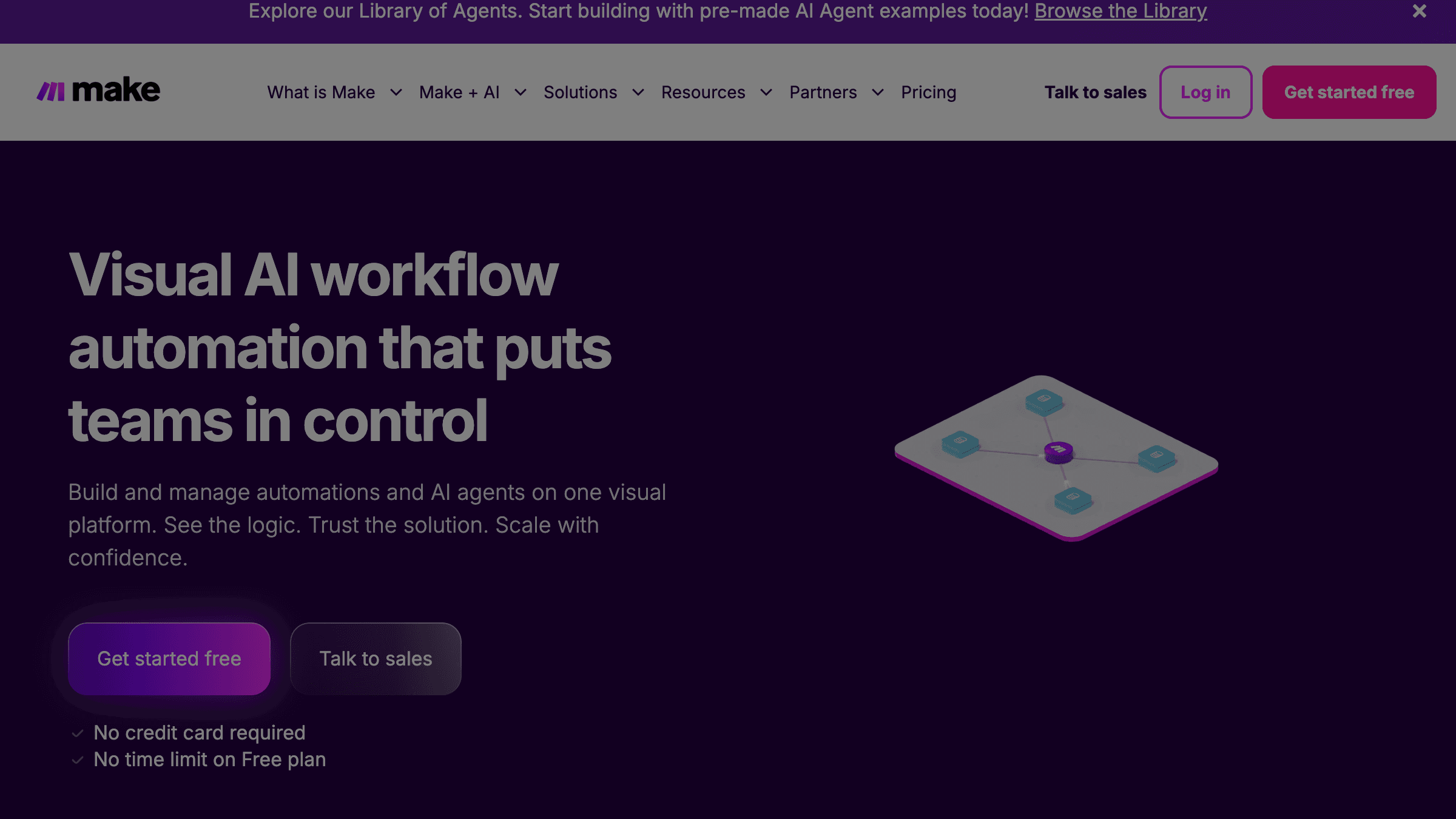
How to Automate My Business (Without Breaking Everything)
Industry GuidesBusiness AutomationSmall Business

Jahanzaib Ahmed
AI Systems Engineer & Founder
AI Systems Engineer with 126 production systems shipped. I run AgenticMode AI (AI agents, RAG systems, voice AI) and ECOM PANDA (ecommerce agency). I build AI that works in the real world for businesses across home services, healthcare, ecommerce, SaaS, and real estate.