AI Chatbots and RAG: Guides and Tutorials
How to build chatbots that answer from your own documents and cite where the answer came from. Retrieval design, vector databases, evaluation, and what separates a demo from a support tool customers trust.
5 posts
 How to14 min read
How to Build an n8n RAG Workflow That Stays Correct When Documents Change
Build a two part n8n RAG workflow on Postgres and pgvector: an upload form that replaces old copies instead of duplicating them, and a chat agent that answers only from your documents and names its source.
 Guide22 min read
Every AI Agent I Build Has Memory. Here Is the Exact Architecture I Use.
Most AI agents forget everything the moment a conversation ends. Here is the memory architecture I use across 126 production deployments, with real code for LangGraph, Mem0, Redis and pgvector, an order history example and the Mem0 2.x API changes.
 Guide23 min read
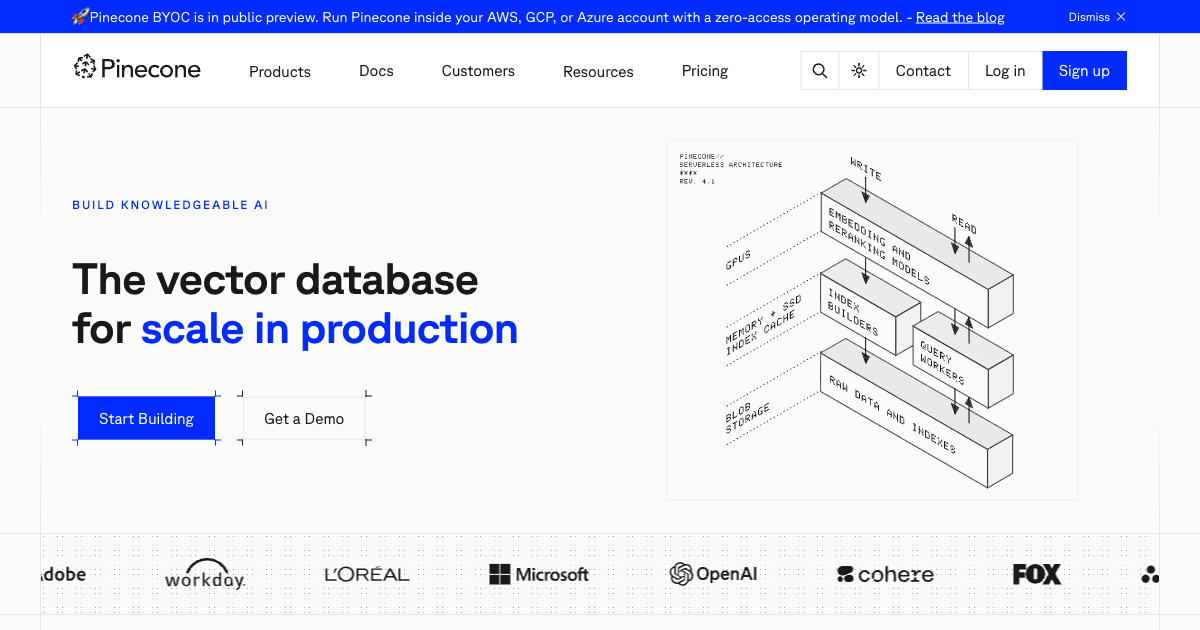
Vector Databases for AI Agents: Which One Actually Works in Production?
A practical comparison of Pinecone, Qdrant, Weaviate, Chroma and pgvector for AI agent workloads, with October 2026 prices, agent memory setups, and when single node Postgres stops being enough.
 Guide21 min read
Agentic RAG: The Complete Production Guide Nobody Else Wrote
A practitioner's guide to agentic RAG covering the five-component architecture, chunking strategies, four common failure modes, LLM-as-judge evaluation, and real cost-per-query numbers from 126 production deployments.
 Guide14 min read
What Is RAG? The Business Owner's Guide to AI That Actually Knows Your Company
Generic AI makes things up about your business. RAG (Retrieval Augmented Generation) connects AI to your actual documents so it gives accurate, cited answers. Here is how it works in plain English, real ROI numbers, and how to get started.